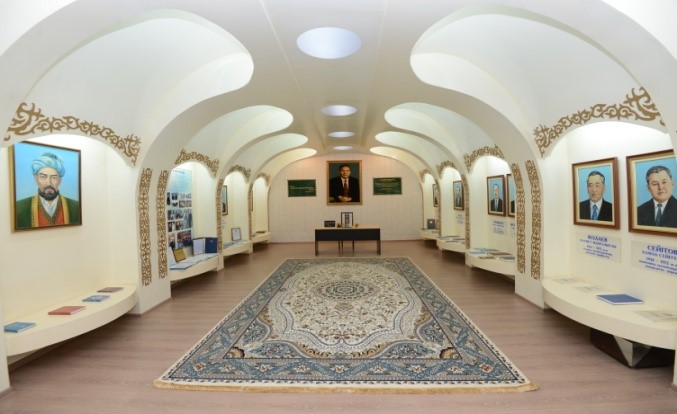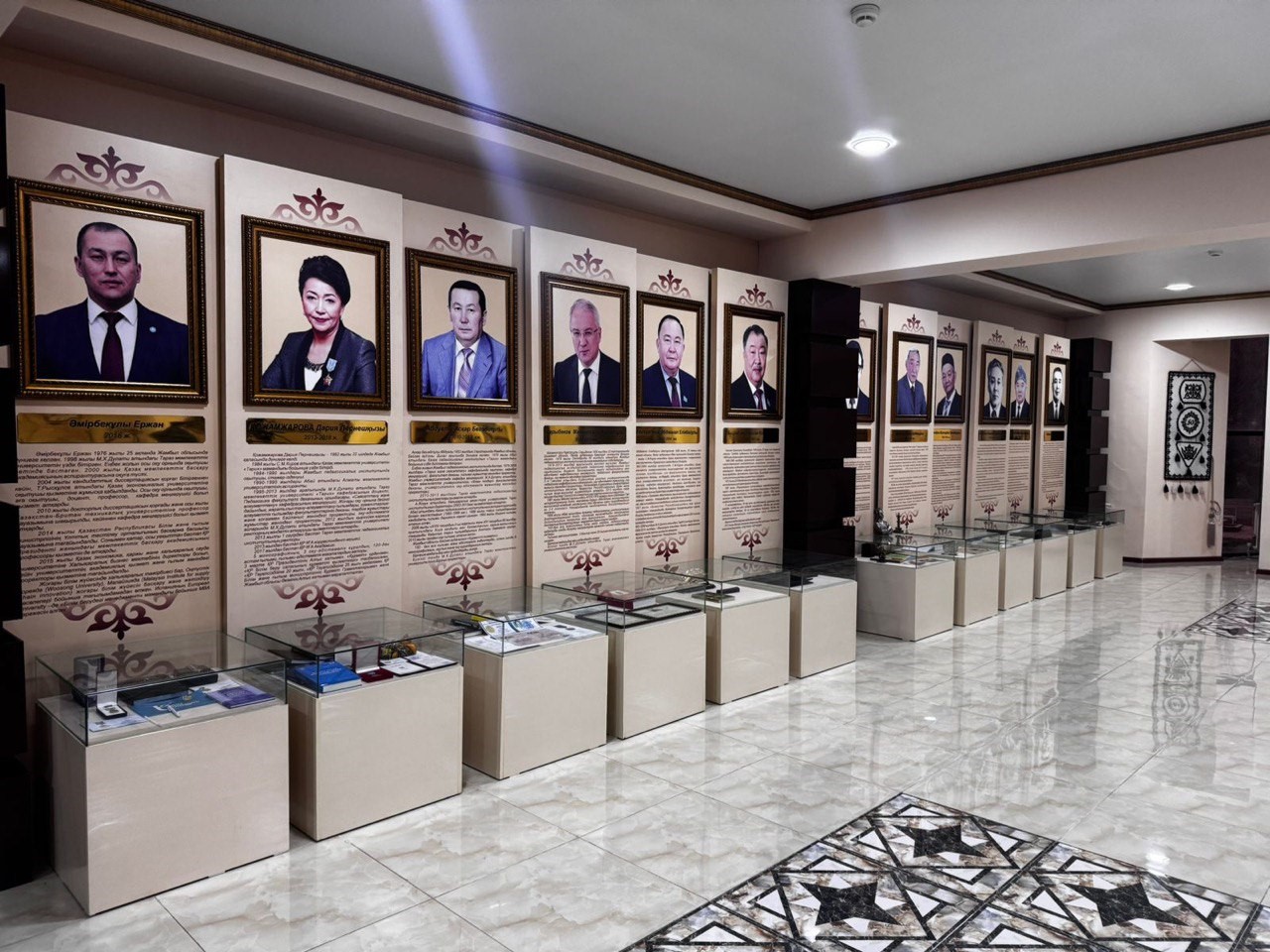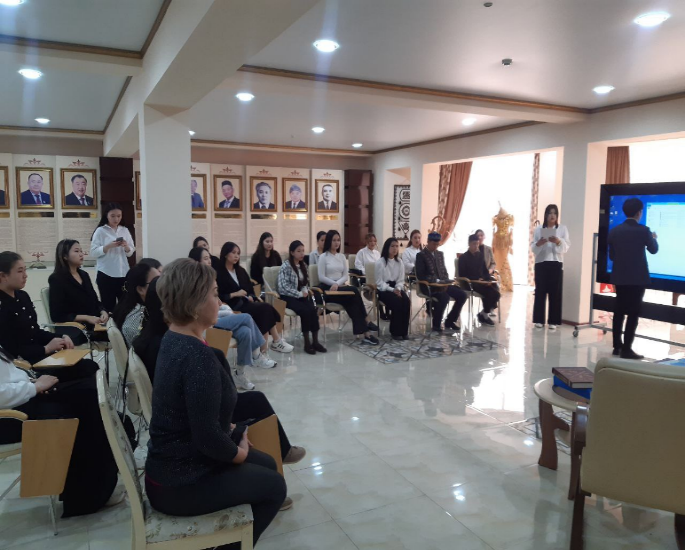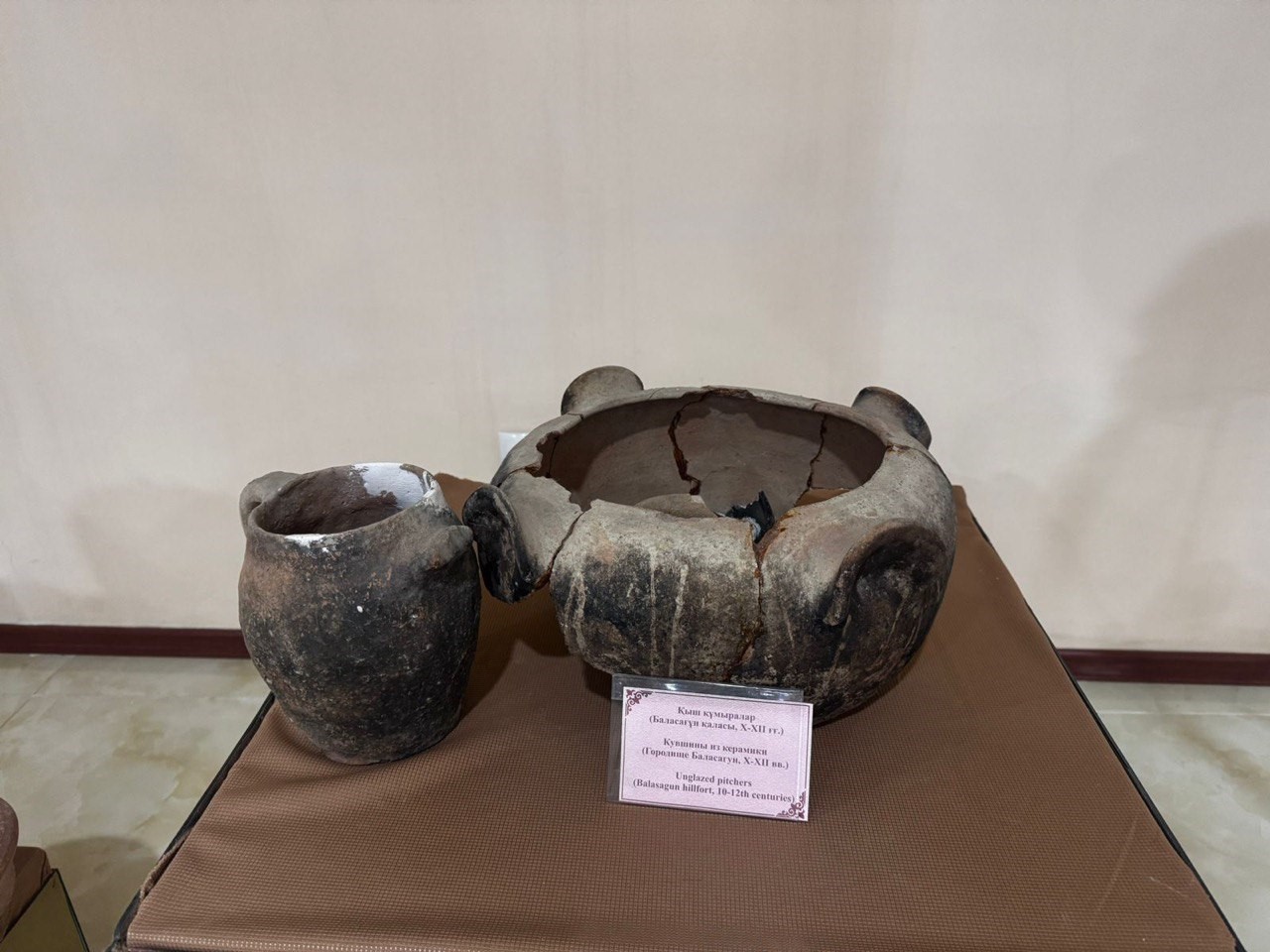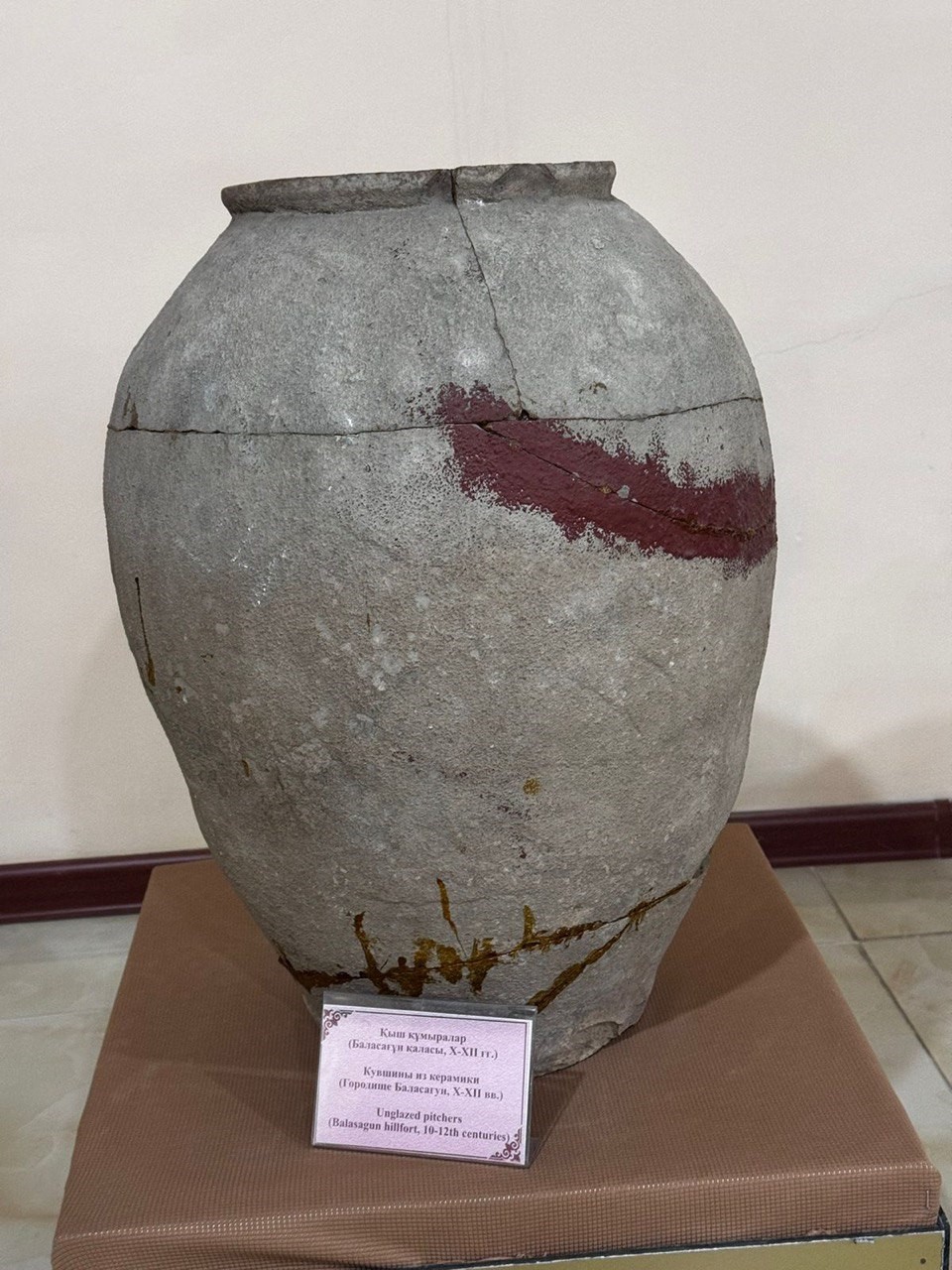

Creation of favorable conditions for the preservation, development and popularization of the heritage of the university museum; promotion of historical and scientific values of Kazakhstan, competitiveness, uniqueness of domestic science in world civilization and its advantages in the university sphere; acquaint students, teachers, professors, schoolchildren, Kazakhstanis, the public of the Zhambyl region and guests of the city with the history and achievements of the university; patriotic education of youth, effective presentation of the history of domestic science in a museum way using the latest technologies and computer equipment; creation of a museum program of innovative direction; Development of intelligence of the younger generation of Kazakhstan, its creative historical and personal education;
- About us
- FACULTIES
- Entrance
- For students
- The science
- Councils
- Scientific projects
- Publication activity
- Laboratories and centers
- Student science
- Scientific journals
- Certificate of accreditation
- Regulatory documents
- Scientific publications of University scientists
- Scientific internship plan
- Scientific programs
- Collection of scientific papers
- List of scientific and methodological works
- Policy to support scientists
- List of journals recommended for publication
- Competitions for teachers
- Sustainable Development
- Contacts
- Dulaty University - Center for Academic Excellence
- About us
About us
back- About the University
- Rectorate
- Corporate governance
- Structural divisions
Structural divisions
back- Department of Academic Work
Department of Academic Work
back- Department of career and business partnerships
- Department of planning and implementation of educational programs
Department of planning and implementation of educational programs
back - Educational and methodical sector
- Online learning department
- Department of science and commercialization
Department of science and commercialization
back - Department of International Cooperation
- Department of marketing and professional orientation
Department of marketing and professional orientation
back - Planning and economic management
- Office of personnel management
- Center for Advanced Training and Retraining of personnel
- Project management and digitalization center
- Information and media communication center
- Technical support and it support center
- Registrar’s office
- Department for work with corporate clients
- Accounting
- Department of public procurement
- The chancellery
- Publishing house "Dulaty University"
- Digital archive
- Department of engineering, technical and economic support
Department of engineering, technical and economic support
back - Department for strategic development
Department for strategic development
back - Department of social work
- Admission Committee
- Research center "Bauyrzhantanu"
- Research center "Dulatology and History of the Region"
- Музей
- Кәсіподақ
- Заң қызметі
- Department of Academic Work
- Accreditation certificates
- DU ratings
- DU in numbers
- Council
- Regulatory documents
- Медиа
- Purchase
- Vacancies
- Compliance
- Банк деректемелері
- Газет шығарылымы
- FACULTIES
FACULTIES
back- Faculty of Natural Sciences
- Faculty of Technology
- Faculty of Pedagogy and Social Sciences
- Faculty of philology and humanities
- Faculty of Economics and Law
- Faculty of Physical and basic military training
- Karatau mining and technological college
- Факультет жаңалықтары (Жаратылыстану)
- Факультет жаңалықтары (Технологиялық)
- Факультет жаңалықтары (Педагогика)
- Faculty news (Philology)
- Факультет жаңалықтары (Экономика)
- Факультет жаңалықтары (Дене шынықтыру)
- Entrance
- For students
- The science
The science
back- Councils
- Scientific projects
- Publication activity
- Laboratories and centers
- Student science
- Scientific journals
- Certificate of accreditation
- Regulatory documents
- Scientific publications of University scientists
- Scopus
- Scientific internship plan
- Диссертациялық кеңестер
- Scientific programs
- Collection of scientific papers
- List of scientific and methodological works
- Policy to support scientists
- List of journals recommended for publication
- Competitions for teachers
- Ғылым айына арналған 2026 жылғы іс-шаралар жоспары
- Sustainable Development
- Contacts
- Іздеу
- Хабарландыру